

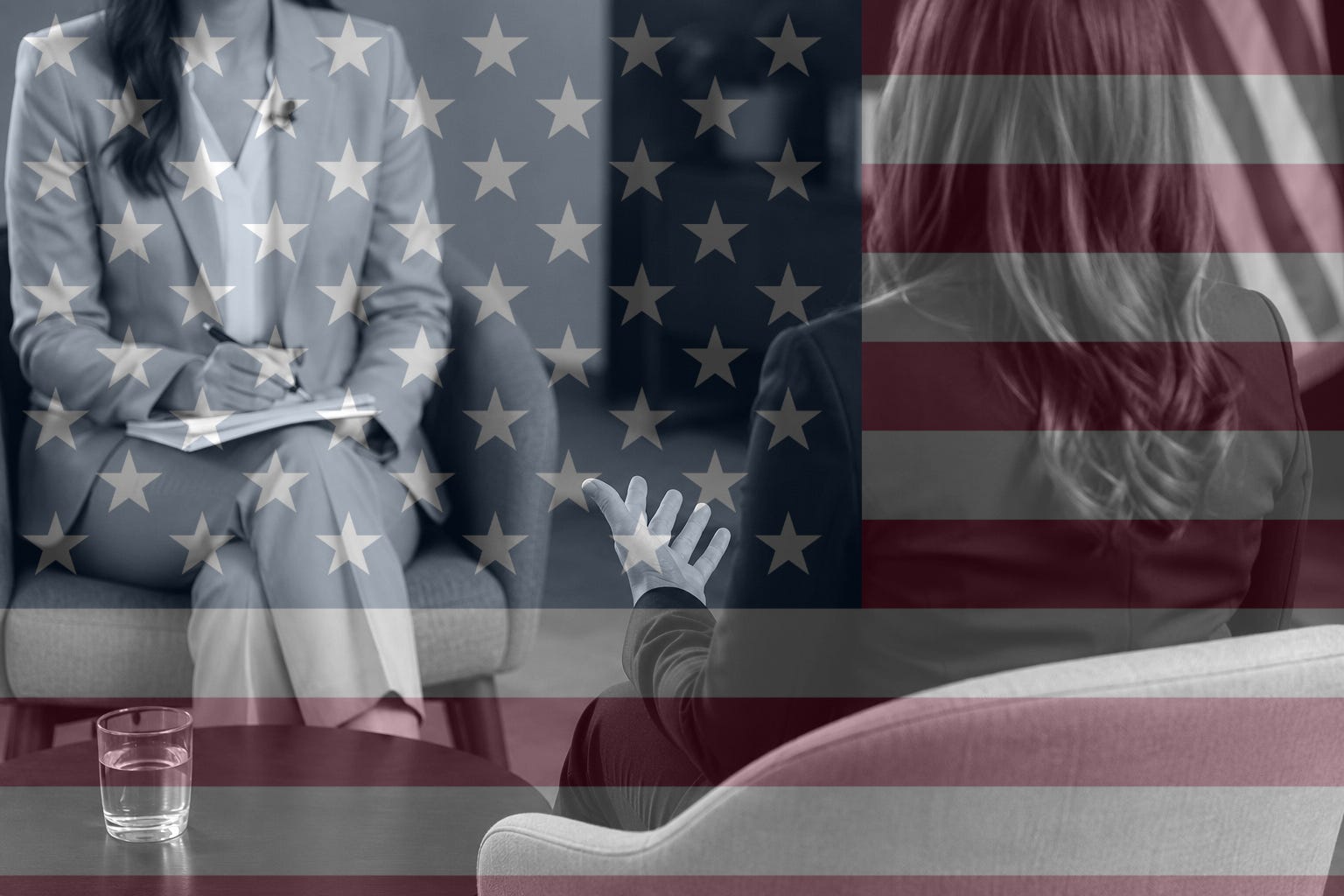
It was sometime in April, after a November election, when I asked for an interview. The request was made to a local politician through her Instagram direct messages, and within minutes of my request, the newly-elected politician agreed and asked if I could meet at her office downtown. I was excited about the interview and writing a great story. That was my first mistake.
The reason for the interview request was this: she had recently beaten her opponent to represent a district that had long been a stronghold of the opposition party. She had no previous political experience and had run a relatively successful grassroots campaign during a contentious time when many citizens were angry with the status quo and with the current political environment.
And since The Neighborly Florida is a publication focused on telling Florida stories through a positive lens, I looked forward to meeting her and getting a behind-the-scenes view into what her campaign was like.
The day before the interview, I confirmed the appointment time with her secretary and made last minute additions to my list of questions. By all accounts, the interview would go swimmingly. Why would it not? The thought that it wouldn’t go well, quite honestly (and to my detriment) never entered my mind. Second mistake.
From the moment I entered her office the next day, something was off. Perhaps it was the fact that there was no greeting, no handshake or smile. Perhaps it was the way she turned her back on me immediately, grabbed a copy of the daily newspaper and slapped it on the table in front of me. Perhaps it was the snide glare as she stood across from me, motioning me to sit down. Whatever the reason, her animosity toward me was at first baffling, then downright intimidating.
I was clearly in over my head and ill-prepared for what started out as a very hostile meeting.
The interview proceeded in a way I had not planned for. I did ask to record our conversation (another mistake) to which she adamantly refused. I then attempted to take notes but the conversation took so many twists and turns making it difficult to write anything legible and meaningful to the ‘nice’ story I had still hoped to write.
At one point, I had to do some deep breathing. The whole thing was uncomfortable and intense.
But, after some time, her attitude toward me did soften a bit, especially after I mentioned a few common acquaintances. Even still, I knew the story would not be anything close to what I had originally planned for. And though my intentions were good, I did not properly plan for an interview like this and the consequences, for me, at least, was an hour of mostly unpleasantness.
And the worst part about it, is that it could’ve been a fantastic story about an underdog political candidate who came out victorious. That story, unfortunately, was never written.
In the years since that interview, I have spoken to several others who have had similar experiences with this politician. So I suppose there is a certain kind of comfort knowing that it wasn’t just me. She is an equal opportunity offender, which is most likely a character trait that existed long before her time in office.
Now, to be fair, not long after she was sworn in, a local news publication did run a few hit pieces on her, which may have contributed to a type of paranoia, suspicion and aggression toward members of the press (which by extension would be me).
But most any political candidate will agree: running for office (whether win or lose) takes very thick skin. There’s also a bit of charisma involved.
Think back to some of our most popular leaders in recent times (Kennedy, Reagan, Clinton, Obama). Whether you agree or disagree with their policies, you cannot deny their charismatic leadership approach; influencing and motivating others, persuasion, and maintaining composure during tough times. These types of leaders excel at adjusting to their audience, showing empathy, and building connections—even with those that may be their political foes such as members of a hostile press.
Perhaps most important, however, in the development of our political leaders is their role as servants of the people. All people. Servant leaders, true servant leaders, put aside their egos and insecurities and work toward the best interest of the people they represent. Unfortunately our political system seems to attract the wrong people who are drawn to power for all the wrong reasons. This is an across the board problem with leaders from all parties displaying bad behavior and treating their constituents as either a means to an end or, worse, subhuman.
As voters, though, we are only given a few choices when it comes to electing leaders. Sometimes we have to vote for the jerk simply because of aligning economic and societal values. I believe this is what happened with the politician I interviewed. I agreed with her platform overall and I was tired of the status quo. But because her temperate was so awful that day of the interview, I won’t vote for her again. It was just that bad.
Maybe if more politicians would understand this, they’d find a way to tap into their newfound power while also tapping into their humanity and their role as servant leaders.
That’s the kind of story I was hoping to write. Maybe one day I will.